

Shan Zhang

Selected Research Projects
Learn About AI
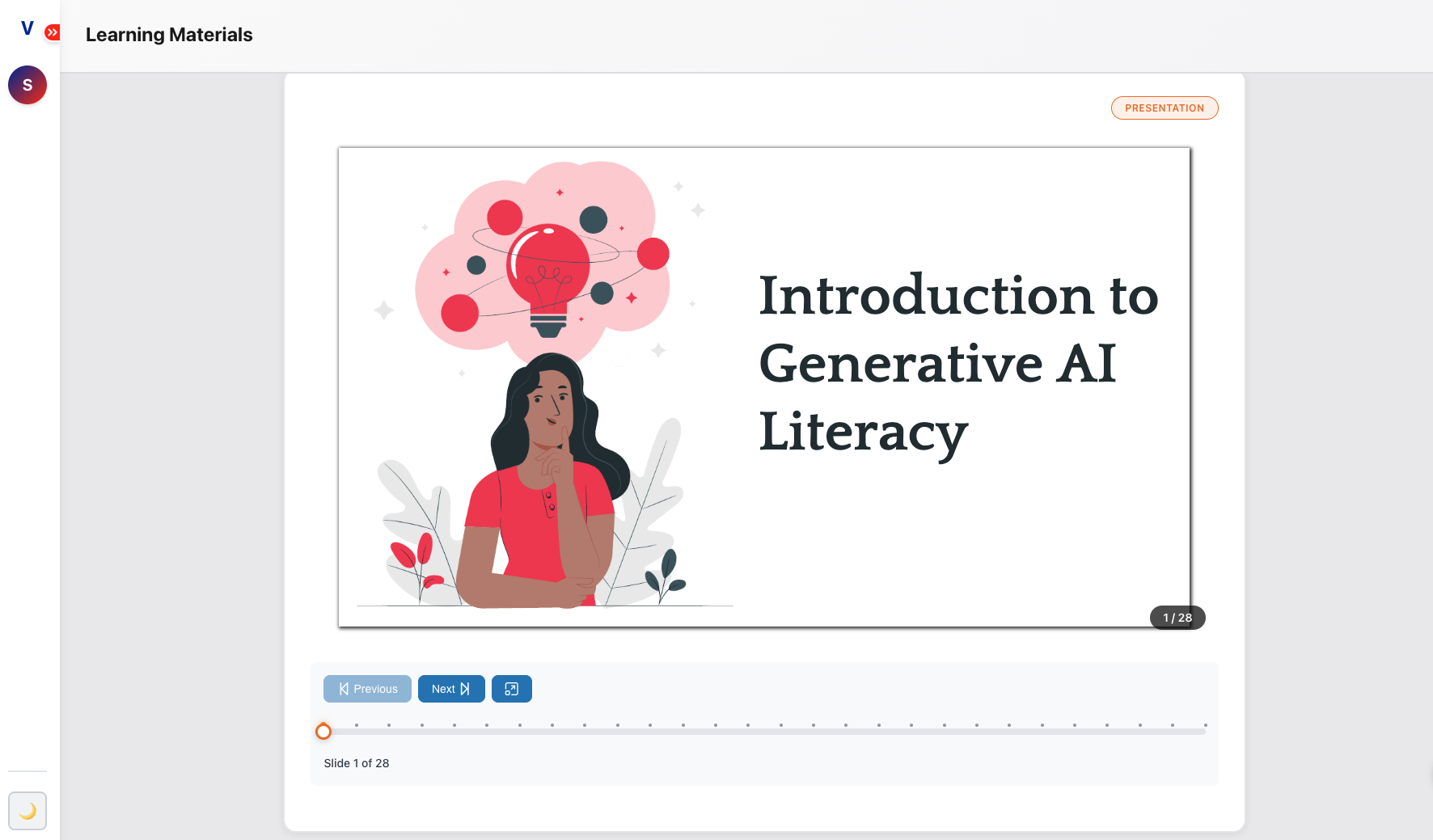
This project aims to investigate how short, structured Generative AI literacy learning experiences embedded in an undergraduate computer science course can support students’ Generative AI literacy and their use of Generative AI during academic tasks. We designed a Generative AI literacy website that introduces students to key concepts, including how Generative AI works, its capabilities and limitations, critical evaluation of AI-generated information, and strategies for using AI productively to support learning. The learning activities integrate self-regulated learning principles, encouraging students to plan their approach, seek help strategically, monitor their understanding, evaluate AI responses, and reflect on their learning. We also developed a reading website as part of the course requirements, where students complete reading comprehension activities with access to Generative AI support.
By examining students’ interactions with the website before and after the Generative AI micro-learning experience, we aim to investigate whether and how their use of Generative AI changes, and how they apply what they have learned in an authentic learning context. The findings may inform the design of scalable, age-appropriate AI literacy learning experiences that help students use Generative AI critically, strategically, and responsibly, while supporting the development of their own understanding.
Evaluating Large Language Models for Intervention Decisions Using Multimodal Collaborative Learning Analytics
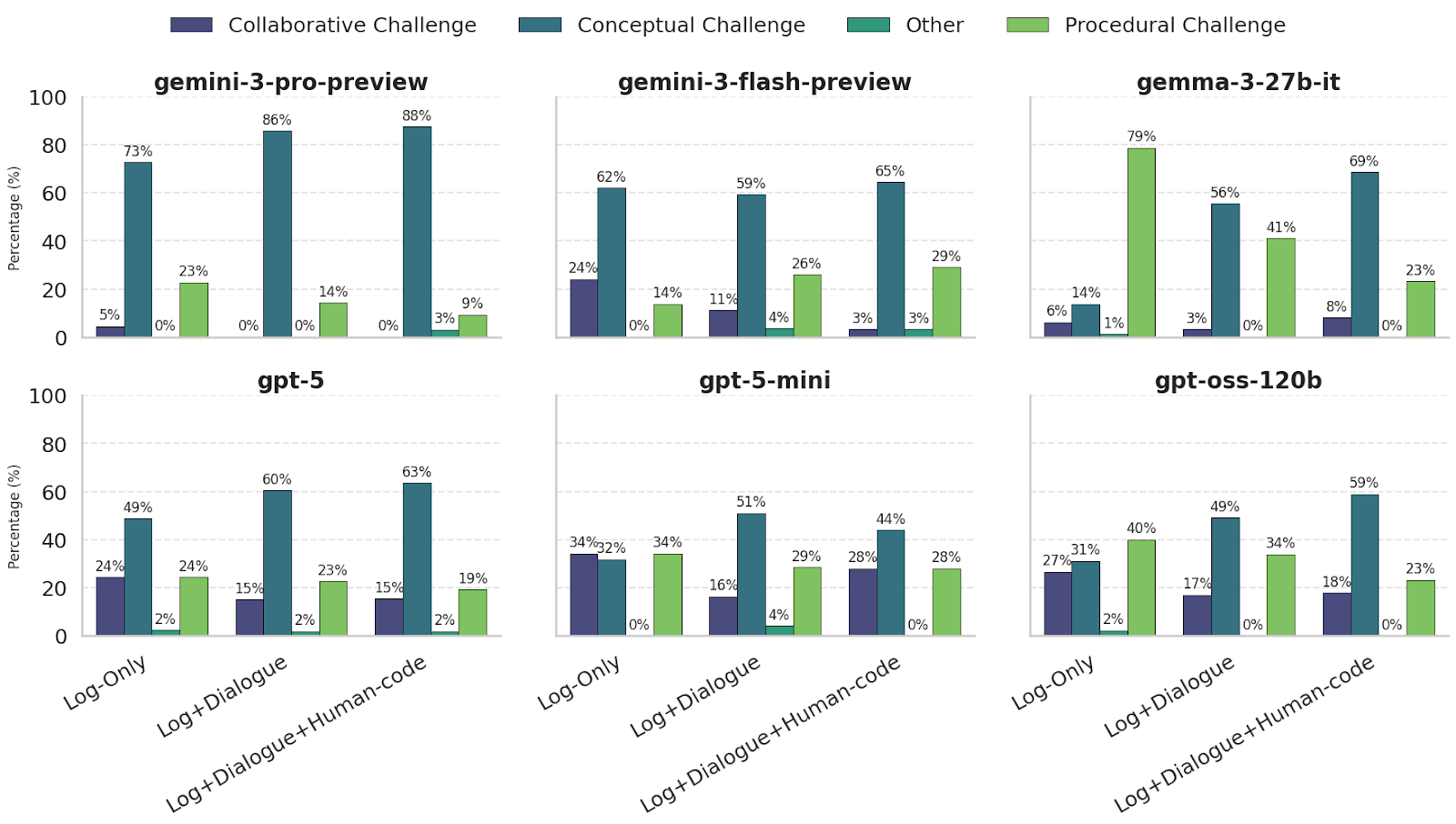

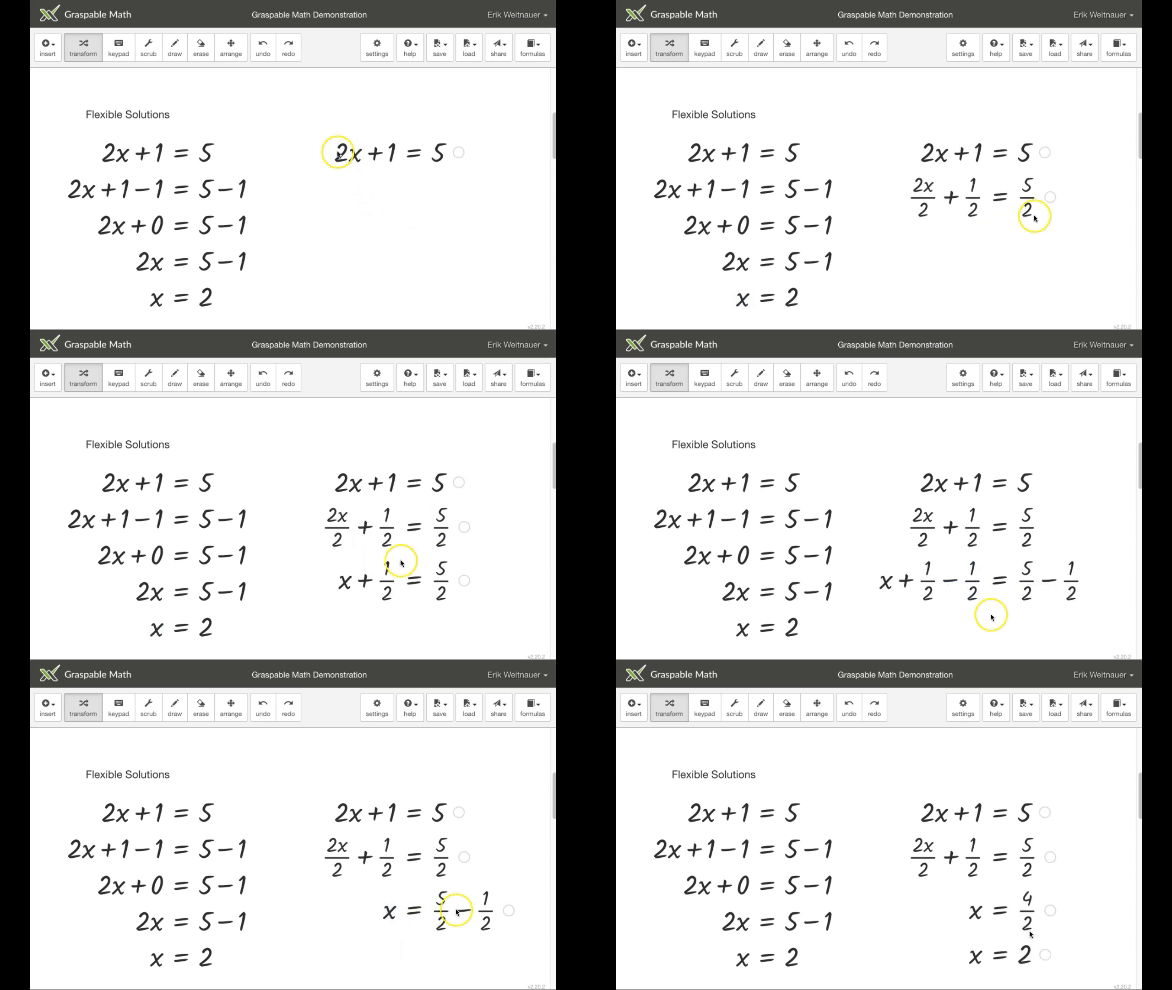
This project investigates how large language models (LLMs) can support instructional decision-making during collaborative problem solving. Using synchronized action logs, dialogue transcripts, and human-coded dialogue acts from 9 undergraduate dyads solving algebra problems, we compare 6 LLMs across 3 input conditions. The study examines how accurately models identify conceptual, procedural, and collaborative challenges, determine whether instructional intervention is needed, and balance analytical performance with computational cost. Findings suggest that dialogue generally improves model performance, although its benefits vary by model, and higher-cost models do not consistently outperform lower-cost alternatives. The project provides evidence for designing human-validated, cost-aware AI analytics that help educators distinguish productive struggle from challenges requiring support.
Assessing Middle School Students’ AI Literacy Through Process-Trace Data in Creative Writing Tasks
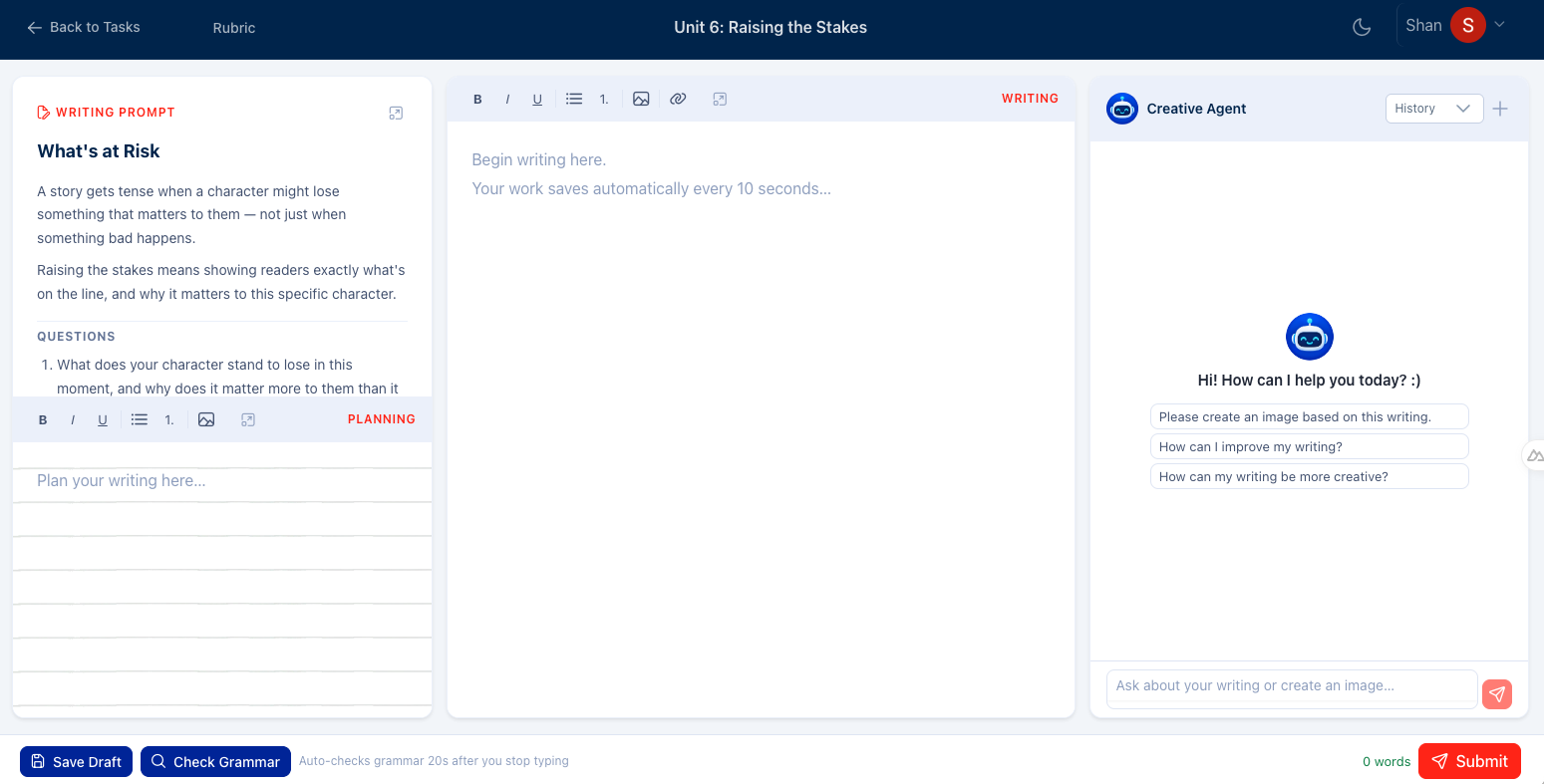
As generative AI becomes increasingly embedded in educational tools and learning activities, AI literacy, defined as the knowledge and skills needed to engage with AI effectively, critically, and responsibly, has become an essential student competency. Previous studies have commonly measured AI literacy through self-report instruments, objective knowledge assessments, or students’ final artifacts, but these approaches provide limited insight into the decisions and actions students make while interacting with AI during domain-specific tasks.
To address this gap, the study conceptualizes AI literacy as a multidimensional and situated construct that may be reflected in how learners select, direct, evaluate, and integrate AI-generated assistance. Specifically, I developed an AI-supported creative-writing platform in collaboration with a middle school teacher and student. The platform includes a Coach Agent powered by institutionally approved open-weight models for text gpt-oss-120b and image generation flux.2-klein, allowing students to request ideas, explanations, feedback, and visual support while maintaining responsibility for their own writing. Approximately 50 students in Grades 6–8 will complete four creative-writing tasks across four weeks. The first two tasks will establish baseline writing performance without generative AI, while the final two will provide access to the Coach Agent. Drawing on self-regulated learning and academic help-seeking theory, the study integrates objective conceptual AI literacy, perceived AI competency, and help-seeking tendencies with writing outcomes and process evidence to examine how students seek, evaluate, and use AI assistance.
The work investigates whether process-trace evidence can support interpretations of students’ enacted AI literacy and how these behavioral patterns relate to established AI literacy measures and writing performance. By distinguishing what students know about AI, what they believe they can do with AI, and how they actually engage with AI during classroom writing, the study advances a more behaviorally grounded approach to AI literacy assessment. It also offers design implications for pedagogically purposeful, developmentally appropriate, and privacy-conscious AI systems that support student agency, authorship, and independent thinking.
Proactive and On-Demand Multi-Agent Scaffolding for Middle School Students’ Persistence and Academic Resilience in Programming
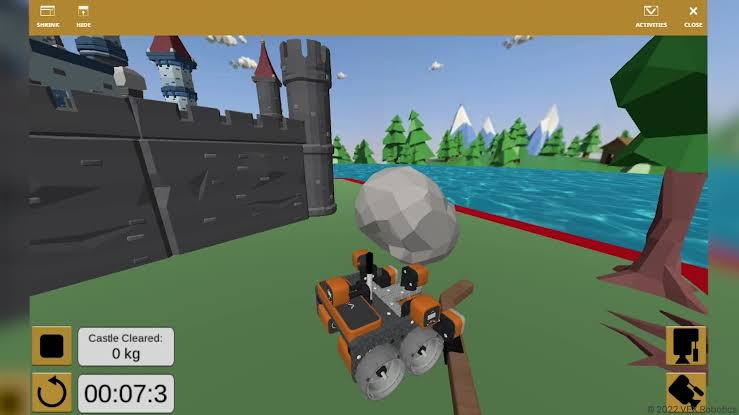
This study examines how an embedded VEX VR pedagogical agent (VEX Agent) can provide timely, targeted support to middle school students during block-based programming activities. Students will complete three increasingly challenging Castle Crasher tasks designed to create opportunities for sustained effort, revision, and recovery from setbacks. Help can be initiated either by students directly or proactively through three log-based behavioral triggers: zero-streak (3 runs without code changes), idle time (4 minutes), and step-by-step changes (6 sequential small code changes).
Students will be randomly assigned at the individual level to a treatment or control condition. Both conditions will have access to on-demand and proactive help. In the treatment condition, a multi-agent system classifies students’ help requests and combines the question type with their current goals and strategies inferred from interaction logs to generate Goal–Explanation–Scaffolding support. The control condition provides general help-usage prompts. The system uses GPT-OSS-120B, a UF-approved open-weight language model hosted on University of Florida-approved infrastructure.
The study will examine whether targeted, context-sensitive scaffolding supports students’ persistence, academic resilience, and programming learning. It will also provide evidence about the usefulness of behavioral triggers and how students seek, accept, decline, and act on AI support.